

From the origins of an independent fashion magazine to the transformative possibilities of generative art, Vaunn Yevo reflects on fifteen years of creative exploration, extraordinary collaborations, and the enduring pursuit of something genuinely new.
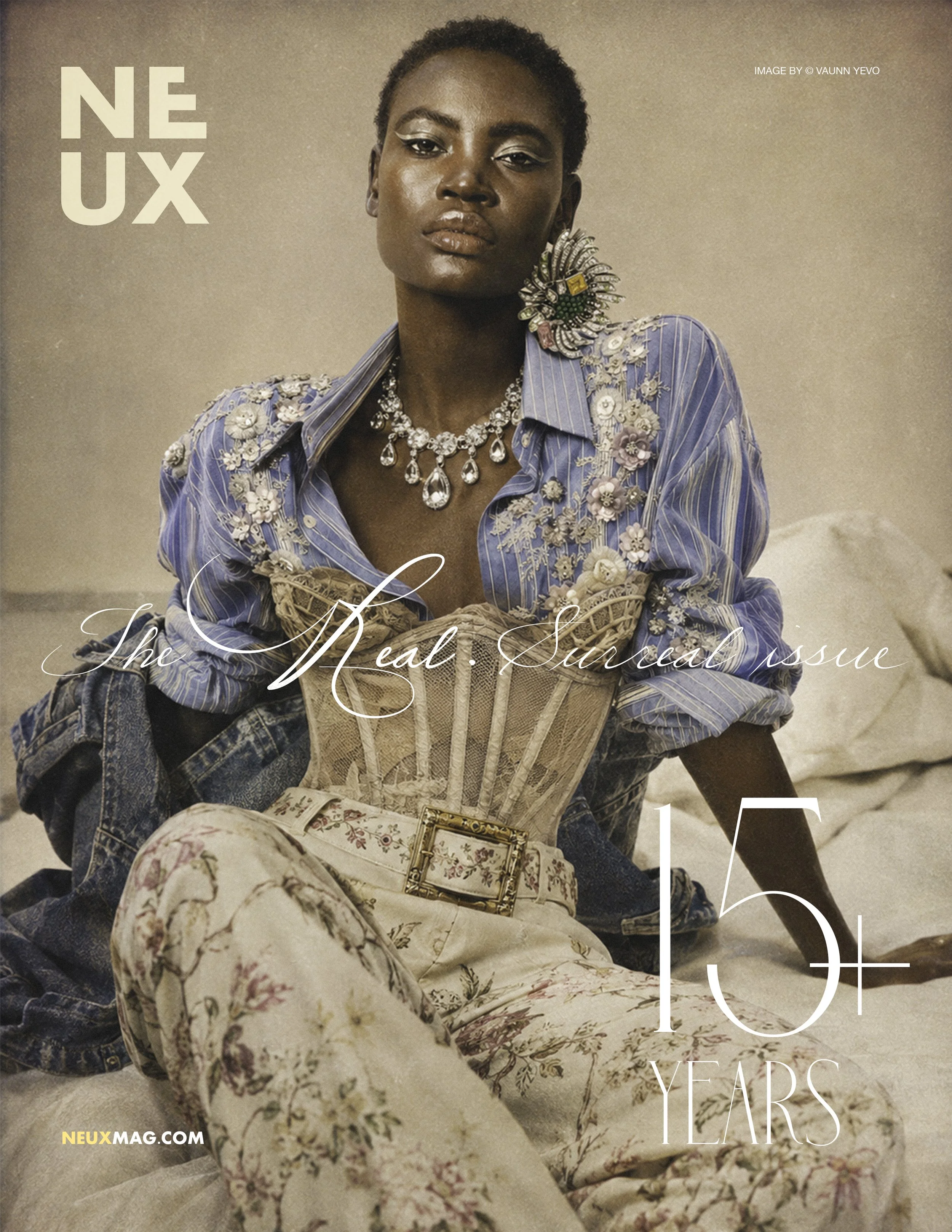
Fifteen years is an interesting milestone, particularly in an industry that is constantly reinventing itself. Since its inception in 2011, NEUX Magazine has existed somewhere between reality and imagination, interpreting the truth through the fantastical worlds of fashion, art, and beauty. What began as a personal creative endeavor gradually evolved into a platform for experimentation, collaboration, and visual storytelling, bringing together extraordinary individuals who shared a desire to create something beyond the familiar.
Looking back, I realize that NEUX was never intended to be simply another fashion publication. It was conceived as an evolving creative expression, one that could challenge conventional aesthetics while celebrating the individuality of the people who contributed to it. I wanted to create something that felt organically new, something that didn’t necessarily follow the rules of traditional publishing or subscribe to the prevailing visual language of the moment. The objective was never to compete with what already existed, but rather to explore what might exist beyond it.
Even the name NEUX came from that philosophy. I remember spending an extraordinary amount of time searching for a word that felt original, something that hadn’t already been claimed, defined, or associated with another creative identity. At the time, I couldn’t find anything called NEUX, online or otherwise. The word was familiar in its pronunciation but deliberately unconventional in its spelling. The addition of the X was particularly meaningful to me, an homage to Generation X, the generation I belong to, and one that experienced the remarkable transition between an analog world and an increasingly digital one.
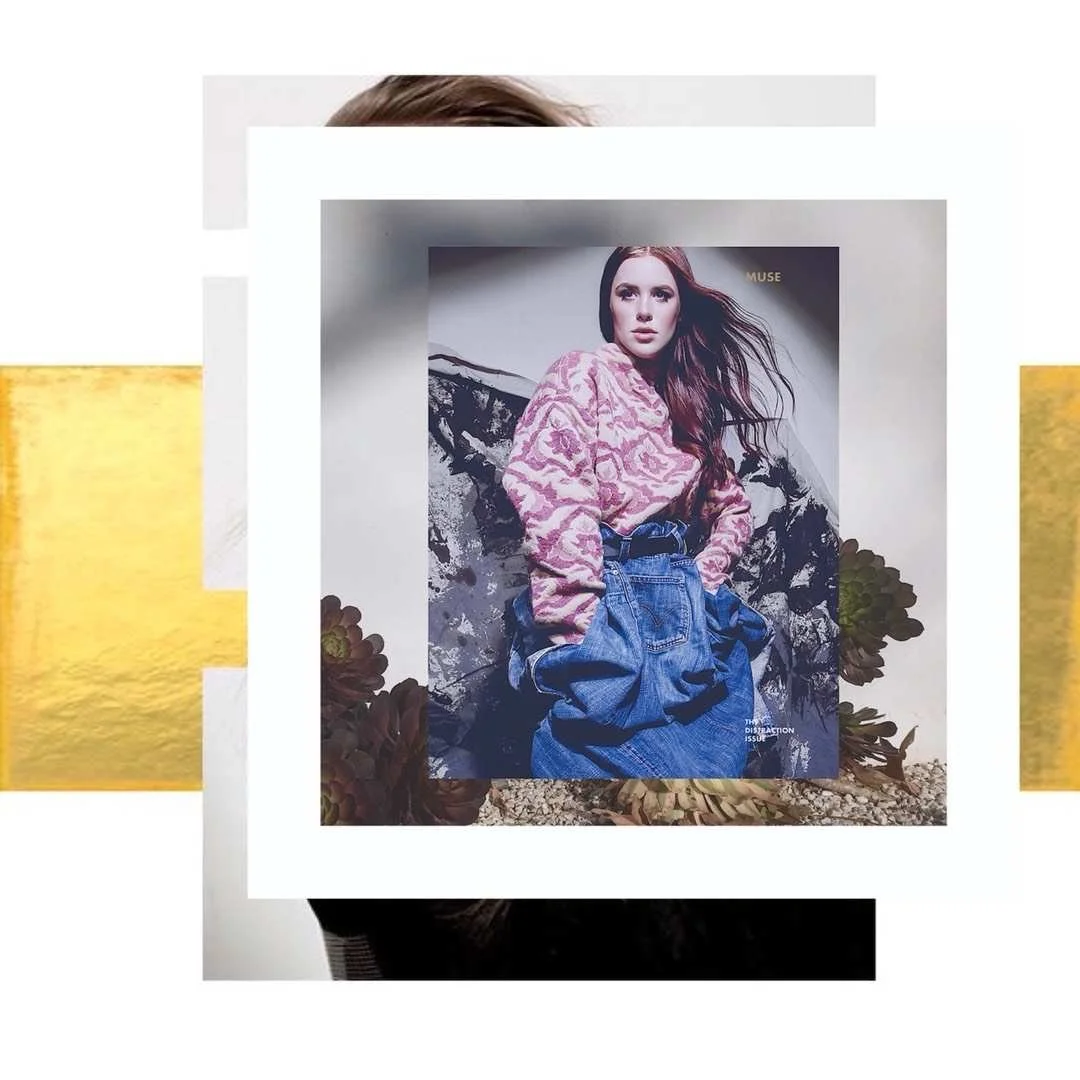
As someone whose creative career developed alongside the millennial generation, I found myself occupying an interesting cultural intersection. I had experienced the discipline of creating before the internet became the dominant force in visual culture, while simultaneously embracing the extraordinary opportunities that emerging technologies were beginning to offer. That duality became an important part of my perspective. I wanted NEUX to acknowledge the creative traditions that shaped me while remaining unapologetically curious about the future. In many ways, the name represented both a personal history and a declaration of intent.
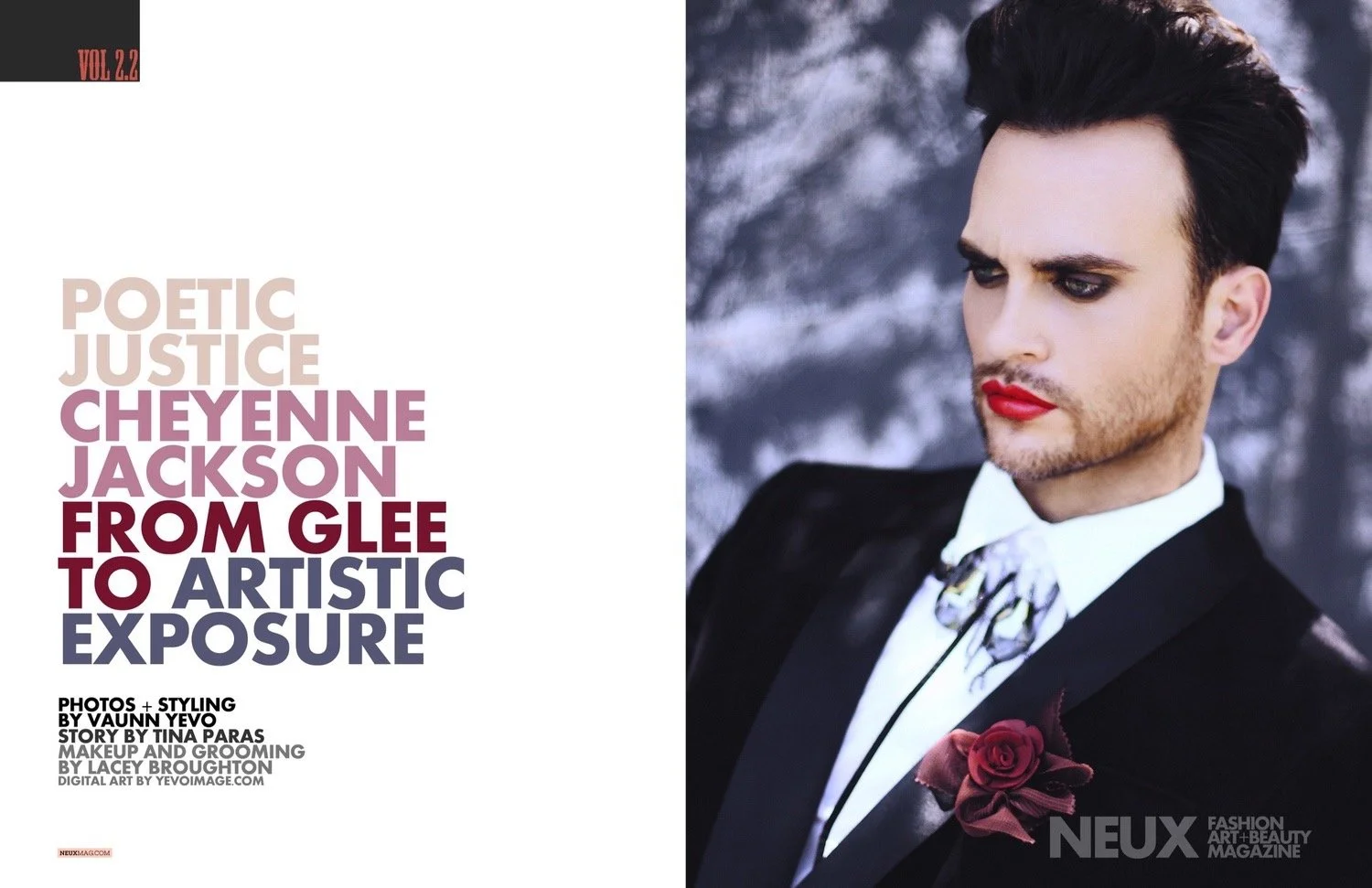
Throughout the years, I have been fortunate to collaborate with an extraordinary range of people, from celebrated performers and models to visionary artists, designers, and creative professionals whose contributions helped define the magazine’s identity. Working with talents such as Cheyenne Jackson, Kat Graham, and Summer Bishil brought remarkable opportunities to explore different personalities and visual narratives. What fascinated me most about these collaborations was never simply the recognition associated with a particular individual, but the possibility of discovering something unexpected through the creative process.
Some of my most memorable experiences came from working alongside individuals whose imagination and technical mastery could transform an idea into something far more compelling than I had initially envisioned. Hairstylist Michael Alastad, also known as Michael Brent, was among those remarkable collaborators. So was Germaine Hill, an extraordinary wardrobe stylist whose creative experience included working with legendary entertainers such as Prince and Toni Braxton. Brett Alan Nelson brought his own distinctive vision to our work with Kat Graham, creating an atmosphere of fantastical glamour through extraordinary fashion, including designs by Falguni Shane Peacock.

These collaborations were never simply about putting beautiful clothes on beautiful people. They were about constructing visual identities, exploring character, and creating imagery that could communicate something beyond the obvious. Fashion, at its most interesting, has always been a form of storytelling. The garments, the hair, the makeup, the lighting, and the person inhabiting the image all contribute to a larger narrative. When those elements come together with genuine creative intention, the result can become something that transcends the photograph itself.
I also think often about the extraordinary makeup artists who contributed so much to these experiences. Rimi Lee Brewer remains particularly close to my heart, and I genuinely miss working with her every day. She possessed that rare ability to understand not only the immediate creative assignment but also the larger vision behind it. There are people who participate in a production, and then there are people who become emotionally invested in what you’re trying to achieve. Rimi was one of those individuals. Lacey Broughton was another wonderful creative presence who brought imagination, energy, and an infectious sense of enjoyment to the process. Both, in their own ways, made my creative life richer, more interesting, and considerably more fun.
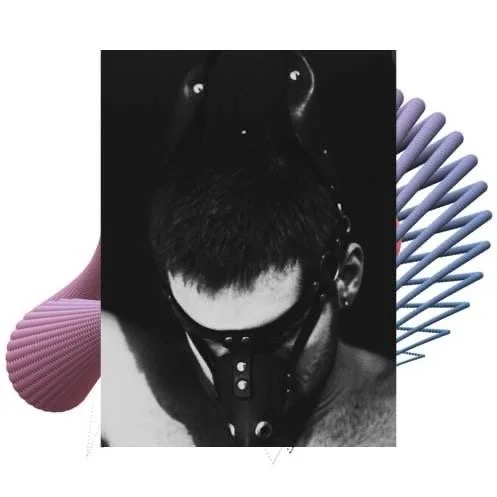
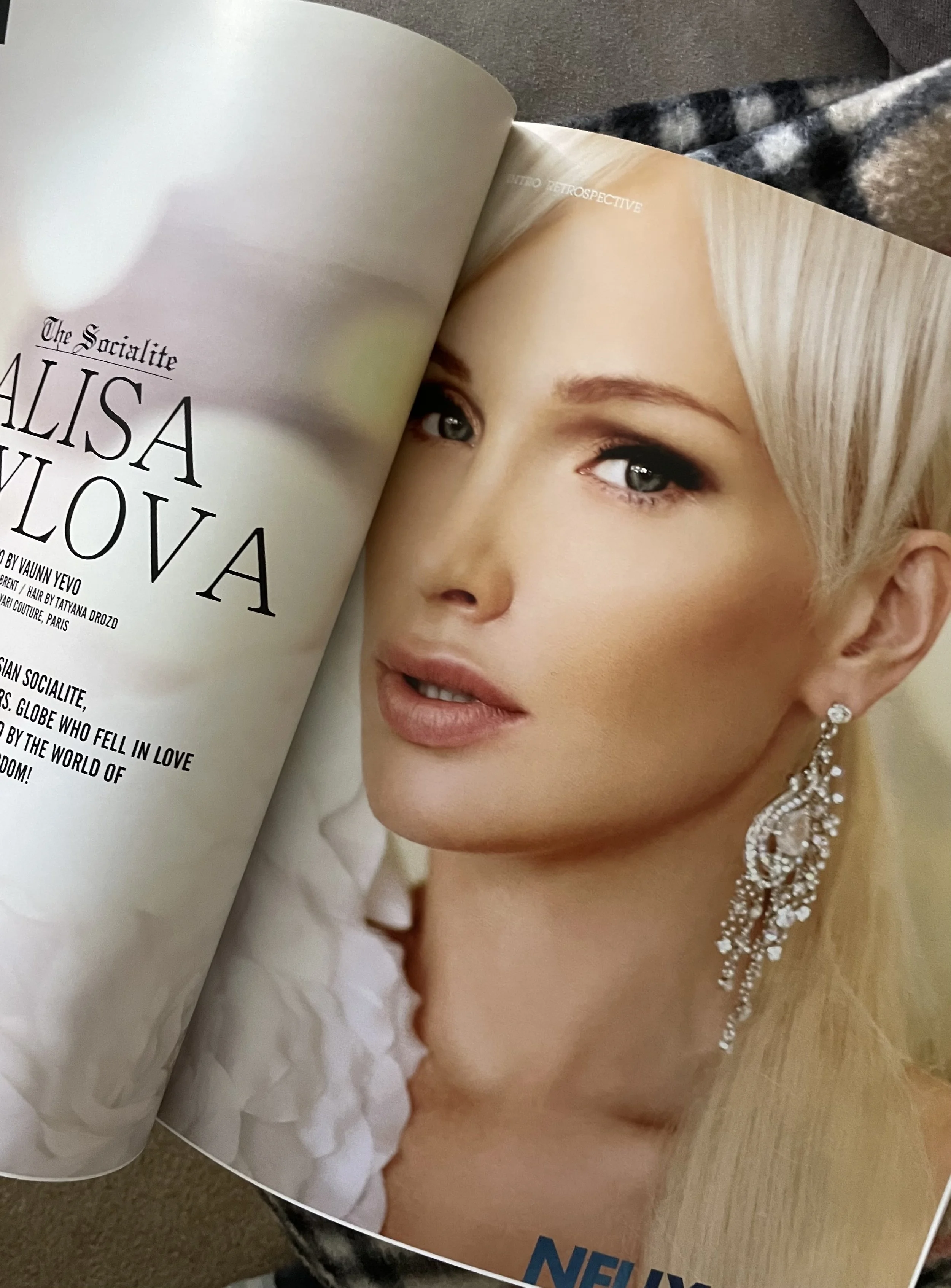
There were countless others whose names and contributions deserve recognition. Some collaborations developed into lasting friendships, while others were brief encounters that nevertheless left a permanent impression. What connects them all is the generosity of creative exchange. No matter how clearly a vision begins in one person’s imagination, its realization often depends on the instincts, experiences, and talents of many others. That collective energy has always been one of the most rewarding aspects of producing NEUX.
Of course, fifteen years of independent publishing has not been without its challenges. The magazine has experienced its share of extraordinary highs and difficult periods, and the arrival of the pandemic in 2020 introduced an entirely different set of obstacles. For a publication built around photography, fashion, personal interaction, and creative collaboration, the sudden interruption of those experiences was particularly difficult. Yet that period also encouraged me to reconsider what mattered most about the work I had been doing for so many years.
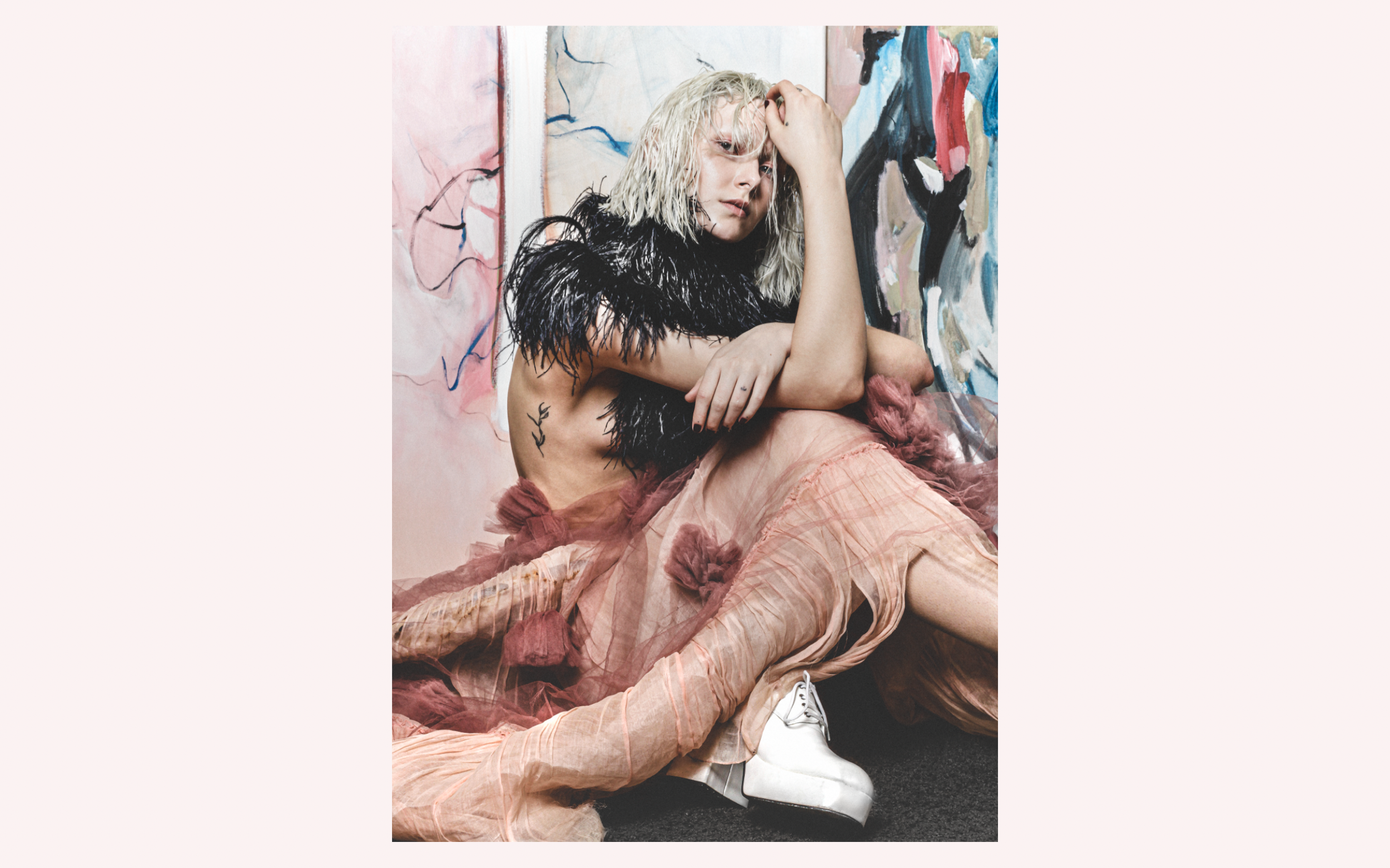
I began to recognize that my greatest satisfaction had never come exclusively from the finished image or the publication itself. It came from the relationships, the experimentation, the shared excitement of producing something meaningful, and the possibility that an image might inspire someone I would never meet. The creative process was as important as the outcome, perhaps even more so. And while the world around us continued to change, my fascination with visual storytelling remained constant.
A New Creative Reality: Fashion, Art, and Artificial Intelligence
Today, as NEUX enters another chapter, we find ourselves experiencing one of the most significant transformations in the history of visual culture. Generative artificial intelligence is fundamentally changing how images are conceived, produced, and experienced, introducing possibilities that challenge many of our long-established assumptions about photography, fashion, authorship, and artistic expression.
For someone who has spent decades working across photography, art direction, branding, and visual storytelling, I find this evolution particularly fascinating. I have always been interested in the relationship between reality and imagination, and generative art has introduced an entirely new dimension to that conversation. Ideas that once required extraordinary production resources, elaborate sets, or complex technical arrangements can now be explored through different creative processes. The boundaries between the photographed, the imagined, and the digitally constructed are becoming increasingly fluid.
Naturally, this transformation has generated considerable anxiety, skepticism, and criticism. Some of those concerns are legitimate, particularly when it comes to creative ownership, consent, transparency, and the livelihoods of working artists. These are important conversations that deserve serious attention. But I don’t believe artists should approach the technology itself with fear. We should approach it with curiosity, responsibility, and a willingness to understand how it can expand our creative capabilities.
And yes, let’s talk about AI slop, because it is very real.
We are witnessing an overwhelming proliferation of synthetic imagery that is repetitive, aesthetically predictable, technically careless, and often completely devoid of meaningful creative intention. Images are being produced in enormous quantities, frequently with little consideration for composition, anatomy, styling, lighting, emotional resonance, or originality. The accessibility of generative technology has made it possible for almost anyone to produce an image within seconds, but that accessibility should never be confused with artistic achievement.
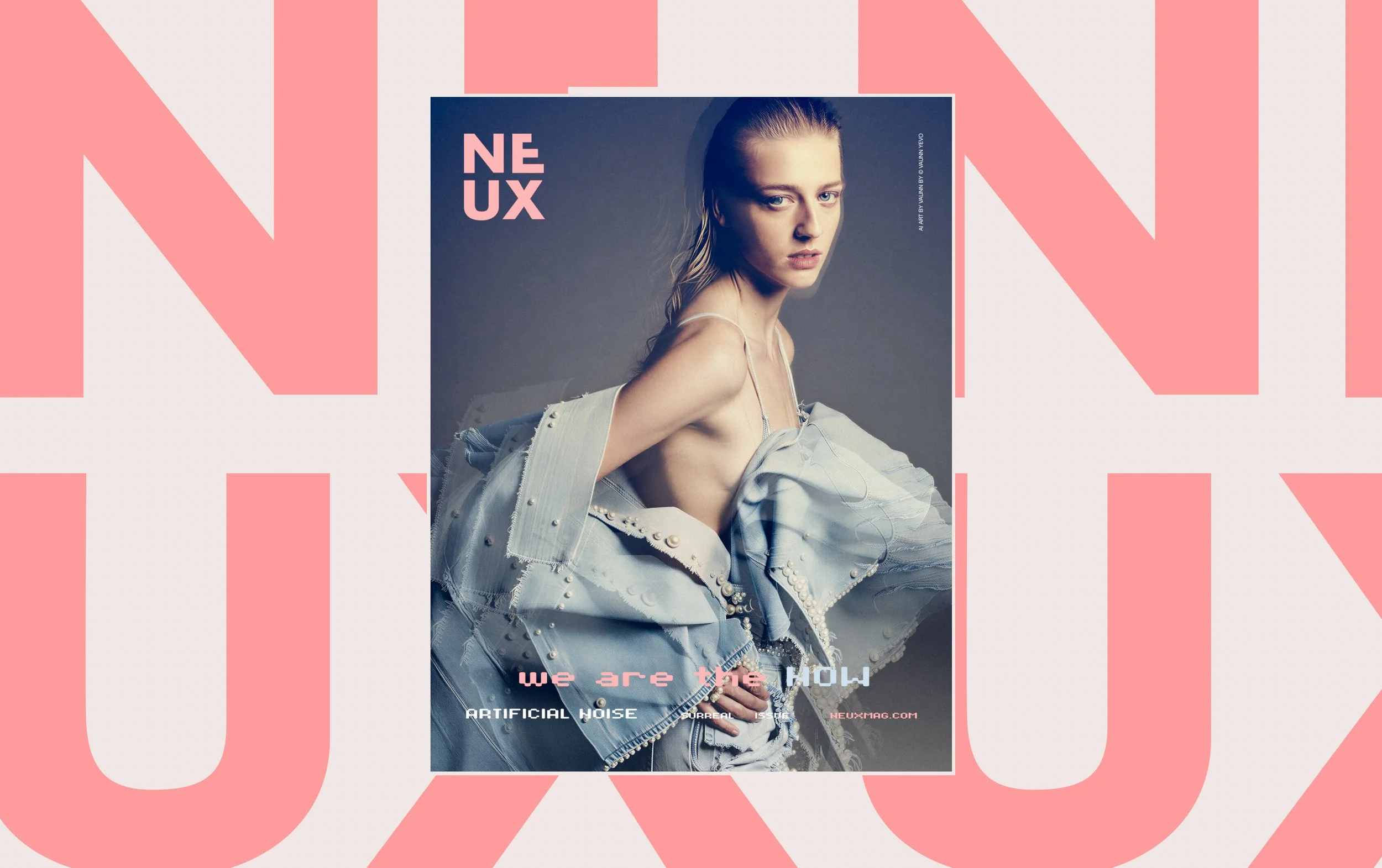
Generating an image is not necessarily the same thing as creating art.
The distinction lies in the vision, judgment, knowledge, and discipline behind the work. A sophisticated generative image doesn’t become compelling simply because a machine can produce extraordinary visual detail. It becomes compelling when an artist brings a distinct perspective to the process, understands the visual language they are working with, and is prepared to refine, challenge, reconstruct, and sometimes completely abandon what the technology initially produces.
In my own exploration of generative art, the process is anything but effortless. Creating imagery that feels authentic, emotionally convincing, and aesthetically extraordinary can involve an enormous amount of work. There are countless decisions surrounding creative direction, casting, fashion references, garment construction, proportions, lighting, photographic treatment, color, composition, and the overall integrity of the image. A single visual can require extensive experimentation, repeated revisions, meticulous corrections, and an uncompromising attention to detail before it begins to approach the original vision.
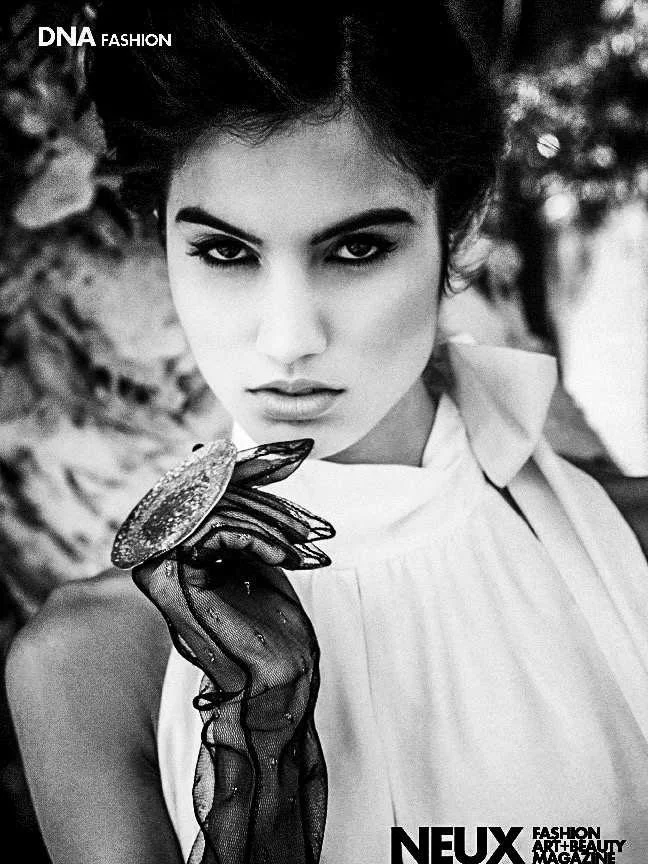
Sometimes the most difficult part is not making an image look spectacular, but making it feel believable. There is a difference between technical perfection and visual authenticity, and the latter is considerably more difficult to achieve. Real fashion photography is filled with subtle imperfections, unexpected gestures, irregularities in fabric, natural movement, and moments that cannot always be anticipated or manufactured. These qualities contribute to the emotional credibility of an image. Reinterpreting them through generative technology requires an understanding of photography and fashion that goes far beyond knowing how to write a prompt.
I am not particularly interested in producing images simply because they look like they were made with AI. In fact, quite the opposite. My interest lies in pushing beyond the recognizable aesthetics of generative imagery and creating work that possesses its own identity, atmosphere, and artistic integrity. The objective is not to celebrate the technology for its own sake, but to use it as another medium through which an original creative vision can be expressed.

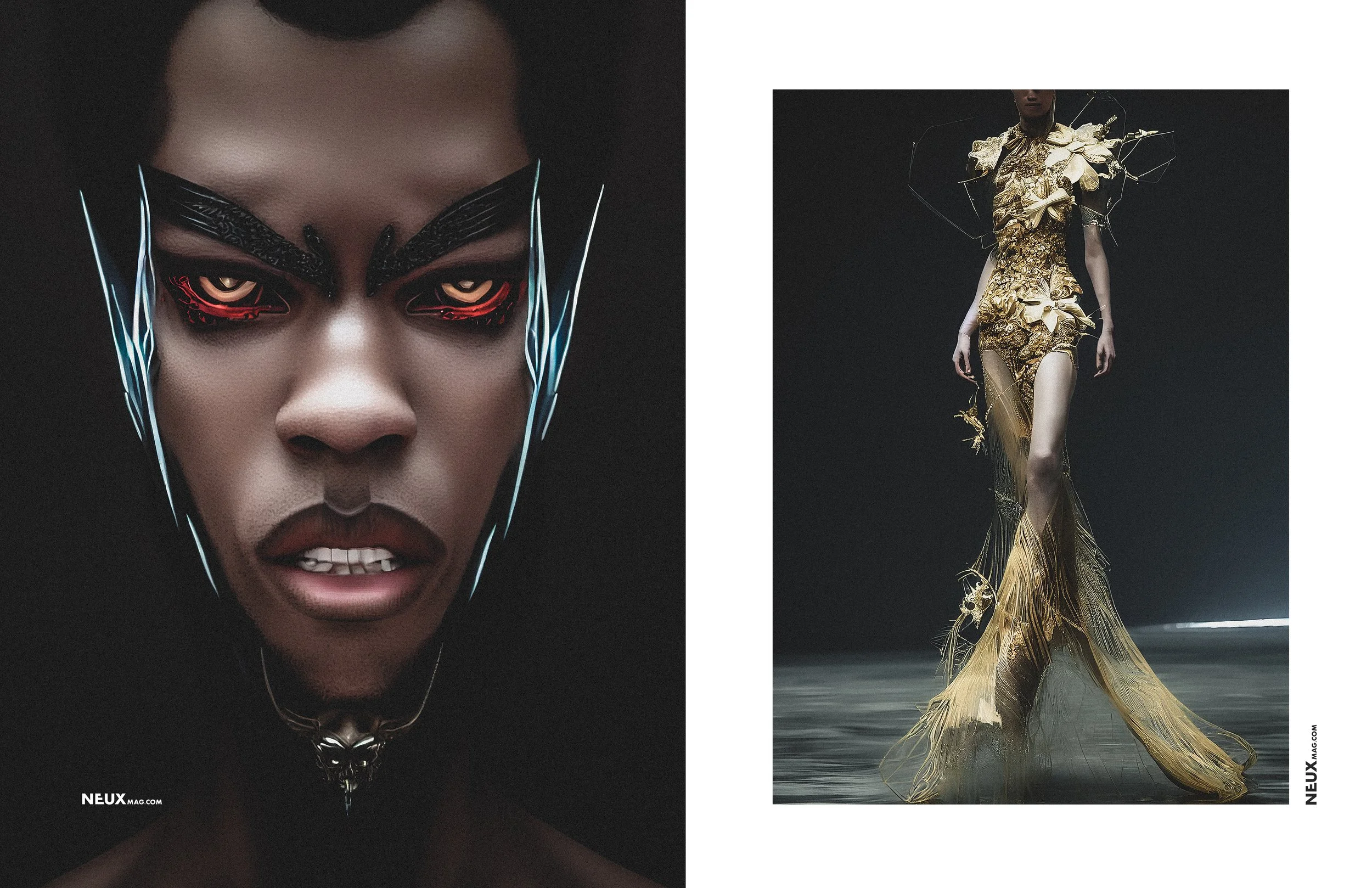
This is where I believe the future of fashion imagery becomes especially exciting. Generative art offers opportunities to explore visual narratives that might otherwise remain unrealized, to reinterpret the relationship between garments and environments, and to construct fantastical editorial worlds without abandoning the principles that make fashion photography compelling in the first place. It can become an extension of photography, illustration, cinema, and traditional art direction rather than a simplistic replacement for any of them.
That distinction matters enormously to me. I have spent much of my professional life collaborating with photographers, models, hairstylists, makeup artists, designers, and other creative professionals, and I have no desire to diminish the value of those relationships. Human collaboration remains irreplaceable. What excites me is the possibility of expanding the creative vocabulary available to us, allowing traditional and emerging practices to inform one another in ways that produce something genuinely unexpected.
The technology will continue to evolve, and so will the debates surrounding it. But I suspect that as generative tools become increasingly accessible, the real differentiator will no longer be the ability to produce an impressive image. It will be the ability to produce something worth looking at, something that communicates a recognizable point of view and possesses the kind of cultural and artistic relevance that cannot be manufactured through volume alone.
The future doesn’t belong to those who can generate the most images. It belongs to those who have something meaningful to say through them.

For NEUX, this moment feels remarkably connected to the philosophy that inspired the magazine’s creation in 2011. The tools have changed, the possibilities have expanded, and the visual landscape has become infinitely more complex, but the fundamental question remains the same: How do we create something that feels genuinely new?
Fifteen Years Later, the Vision Continues
Looking back across these fifteen years, I am struck by how much has changed and how much has remained consistent. Fashion has reinvented itself countless times, independent publishing has undergone profound transformations, and the relationship between artists and audiences has been reshaped by technology. Yet my desire to explore the unfamiliar, challenge established aesthetics, and collaborate with extraordinary creative minds remains as strong as it was when NEUX first began.
Perhaps the greatest lesson has been that creativity is not a destination or a fixed identity. It is an ongoing process of discovery, one that requires us to remain curious even when the world around us becomes increasingly difficult to interpret. Every new medium introduces possibilities, every collaboration offers a different perspective, and every creative challenge becomes an opportunity to reconsider what we thought we understood.

I am immensely grateful to everyone who has participated in this journey. To the models who trusted me with their image, the artists and designers who shared their extraordinary talents, the creative collaborators who helped transform ideas into reality, and the readers who found something meaningful in the work, your contributions have made NEUX what it is today. Whether we worked together for years or shared a single memorable afternoon, you became part of a creative history that I will always treasure.
I also want to celebrate the people who believed in the magazine when it was nothing more than an idea, those who supported it through its various transformations, and those who continue to discover it today. Independent creative endeavors rarely follow a predictable path, and the encouragement, generosity, and participation of others can make an extraordinary difference.
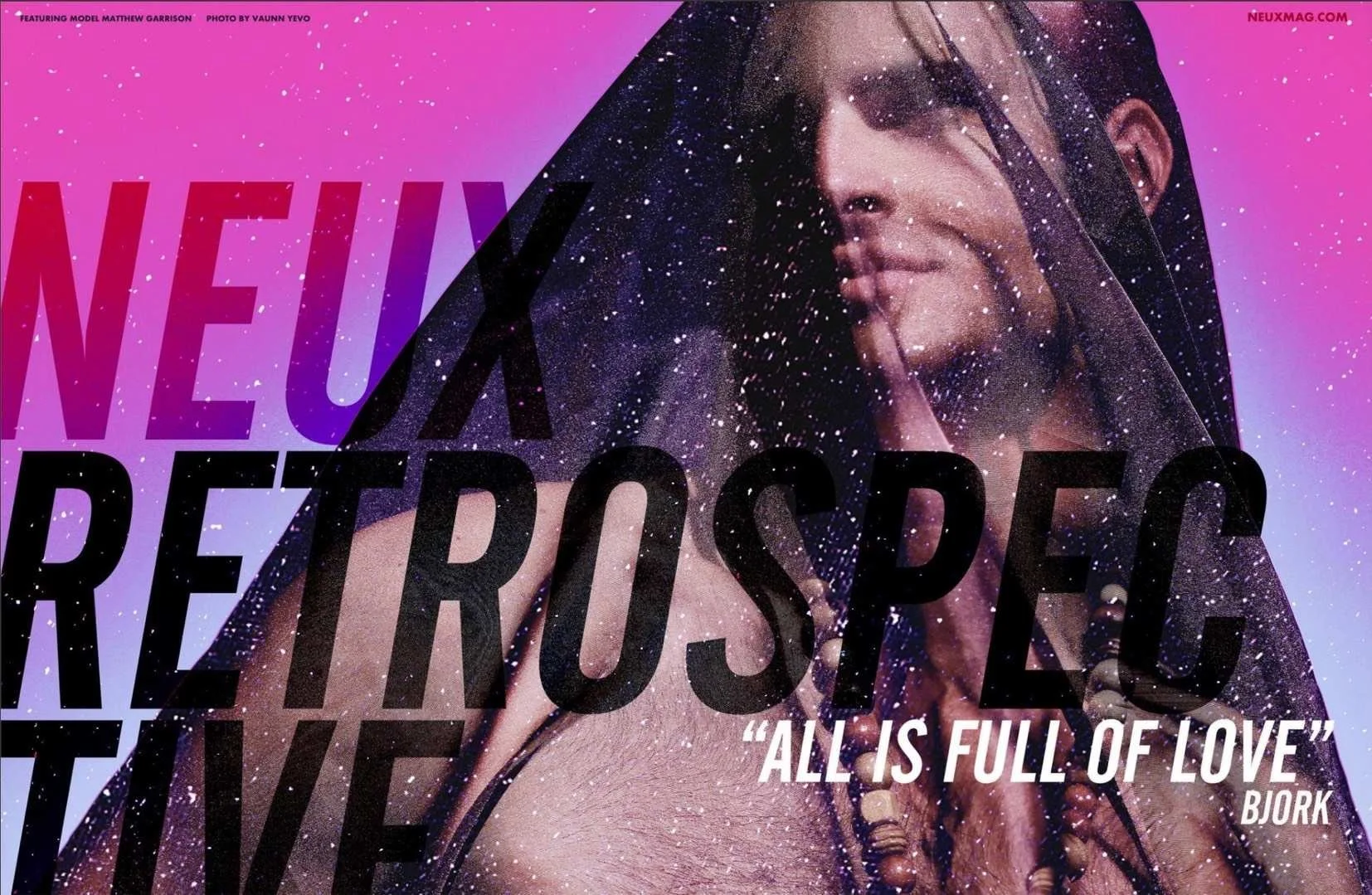
As we celebrate more than fifteen years of NEUX, I don’t see this anniversary as a conclusion or even a moment to dwell too long on the past. I see it as an opportunity to recognize the remarkable people and experiences that brought us here while embracing the possibilities that lie ahead.
There is still so much to imagine, so much to experiment with, and so much to learn. The intersection of fashion, art, beauty, photography, and generative technology is opening new conversations about what creativity can become, and I intend for NEUX to remain part of that exploration.
After all, the magazine was never about preserving a particular moment in time. It was about interpreting the present while imagining the future. To everyone who has contributed to these fifteen extraordinary years, I celebrate you. Your talent, generosity, imagination, and willingness to participate in something different have meant more to me than I can adequately express.
Thank you for being part of this journey, for believing in the possibilities, and for making the experience of creating NEUX so profoundly rewarding. And to those who are just discovering us, welcome. There is still a great deal of beautiful uncertainty ahead.
Fifteen years later, NEUX is still becoming. And perhaps that is exactly what being new should mean.
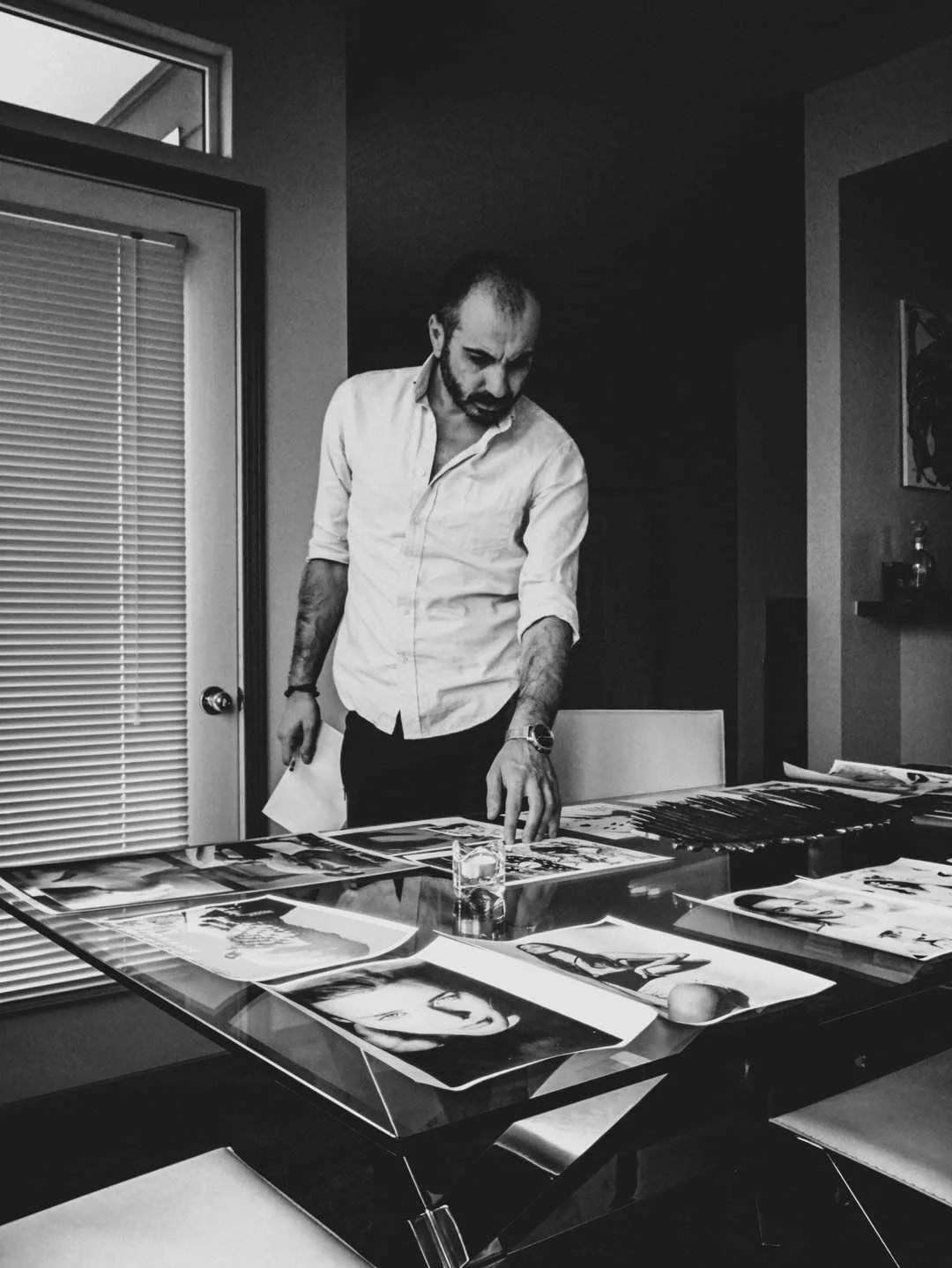
Vaunn Yevo
Founder, Publisher & Creative Director
NEUX Magazine | Est. 2011